
What Are Halal ETFs? Sharia-Compliant Funds Explained
Beginner-friendly Updated September 2026
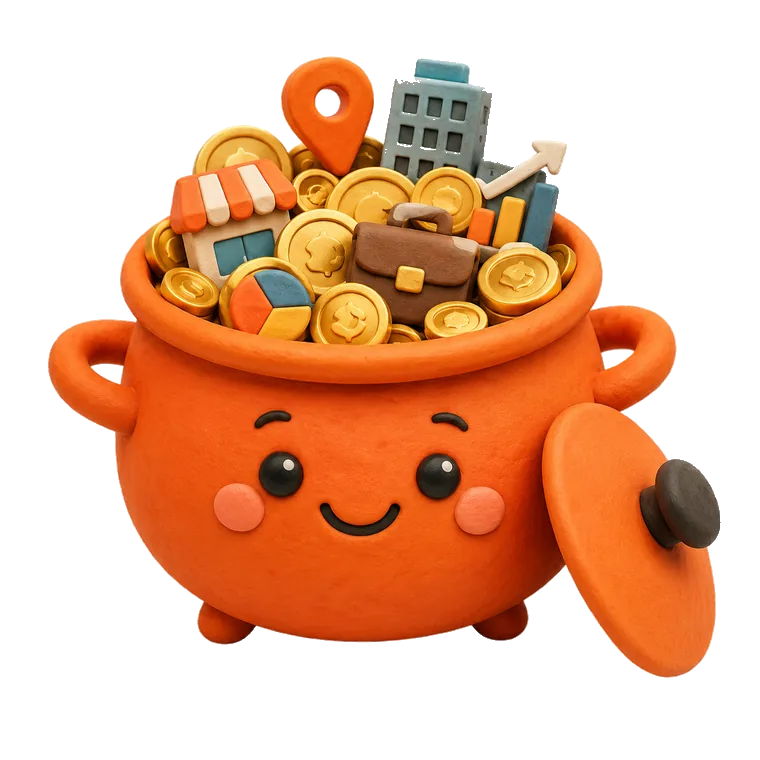
A halal ETF is a pre-screened basket of many Sharia-compliant stocks, wrapped into a single fund you can buy or sell on the stock market in one trade. Picture a fruit basket where someone has already taken out every fruit you're not allowed to eat. You don't inspect each fruit yourself, you just pick up the whole basket. A halal ETF does that for shares: a team screens dozens of companies, throws out the ones that break Islamic rules, and bundles the rest together. You buy the bundle.
If you're brand new to all of this, start with our plain-English overview of what halal investing is, then come back here. This guide stays simple, promise.
What does "ETF" actually mean?
ETF stands for Exchange-Traded Fund. Let's break that into three small pieces:
- Fund: a pot of money from many people, used to buy lots of different stocks at once. You own a slice of the whole pot.
- Exchange-Traded: you can buy and sell it on a stock exchange (like the Pakistan Stock Exchange or a US exchange) during market hours, just like a single share.
- Put together: one ETF might hold 30, 100, or 500 companies inside it.
So when you buy one unit of an ETF, you instantly own a tiny piece of every company inside it. Buy one share of a US tech ETF and you might own a sliver of Apple, plus dozens of others, all in one go.
What makes an ETF "halal"?
A normal ETF will happily include anything, including companies that earn money in ways Islam does not permit. A halal (Sharia-compliant) ETF is different: a Sharia board screens every company first. A Sharia board is simply a panel of Islamic scholars who check the rules.
Two screens are applied. The first is the business screen: the company's main activity must be permissible. Out go companies whose core business is:
- Conventional banks and interest-based lenders (riba, meaning interest, is forbidden)
- Alcohol, pork, and tobacco
- Gambling and casinos
- Adult entertainment and conventional weapons
The second is the financial screen: even a "clean" business must not carry too much interest-based debt or earn too much interest income. There are agreed limits (commonly around one-third of the company's value in debt). If a company crosses the line, it's removed, even if it makes a great product. To go deeper on this checklist, read what makes a stock halal.
A worked example: how the basket gets built
Imagine a Pakistan-focused halal ETF starts with the 50 biggest companies on the PSX. Here's a simplified pass:
- OGDC (Oil & Gas Development Company) explores for oil and gas. Permissible business, low debt. Stays in.
- LUCK (Lucky Cement) makes cement. Permissible business. Stays in.
- FFC (Fauji Fertilizer) makes fertilizer. Permissible business; debt is checked and passes. Stays in.
- A large conventional bank earns money mainly from interest. Removed.
After screening, maybe 30 of the original 50 survive. Those 30 go into the basket. When you buy one unit of the ETF, you own a small, weighted piece of all 30 at once. The same idea works for a US halal ETF, where a clean tech name like Apple might pass the business screen and stay in, while interest-heavy financial firms get filtered out.
Why would a beginner choose a halal ETF?
Three honest reasons:
- Instant diversification. Owning 30 companies is safer than betting everything on one. If a single company stumbles, the others cushion the blow. (We explain this idea fully in risk and diversification explained.)
- The screening is done for you. You don't have to read 30 annual reports to check each company's debt. The fund handles it.
- It's simple to buy. One trade, one fund, one price. No spreadsheets.
What are the trade-offs?
Halal ETFs are convenient, but they aren't magic. Keep these in mind:
- Small yearly fee. The fund charges an "expense ratio" (often a fraction of a percent per year) for doing the work. It's quietly deducted, so you rarely see it as a bill.
- You don't pick the holdings. You take the whole basket. If you'd rather hand-pick a few names yourself, you can browse a screened starting list of halal stocks on the PSX.
- "Halal" needs trust. Always check which Sharia standard the ETF follows (for example AAOIFI, a widely used standard body) so you know the screening is credible.
- Purification. Sometimes a tiny slice of income comes from impermissible sources; reputable funds report a small amount to "purify" by giving to charity. Good ETFs make this transparent.
Halal ETF vs. buying single halal stocks
Both are valid. The difference is effort and control:
- Halal ETF: easiest, instantly diversified, screening done for you, but a small fee and no say in the mix. Great for a beginner who wants to start now.
- Single halal stocks: full control and no fund fee, but you must screen and diversify yourself, and watch each company over time.
Many people start with a halal ETF for the core of their savings, then add a few hand-picked halal stocks later as they learn. There's no rush.
Want to see which companies pass Sharia screening with the numbers shown clearly? You can create a free account and explore screened PSX and US stocks in plain language, no finance degree required.
The short version
A halal ETF is a single, easy-to-buy fund that holds many Sharia-compliant companies after the forbidden ones (interest-based banks, alcohol, gambling, and over-indebted firms) have been filtered out. It gives a beginner instant diversification and done-for-you screening for a small yearly fee. It's one of the simplest ways to start investing in line with your faith.
Key takeaways
- A halal ETF is a single fund holding many Sharia-compliant stocks, bought or sold in one trade like a regular share.
- ETF means Exchange-Traded Fund: a pot of many companies you can trade on a stock exchange.
- Two screens make it halal: a business screen (no interest-based banks, alcohol, gambling, pork, tobacco) and a financial screen (limits on interest-based debt).
- Clean PSX names like OGDC, LUCK, and FFC can pass screening; conventional banks are removed because they earn interest (riba).
- Benefits are instant diversification and done-for-you screening; trade-offs are a small yearly fee and no control over the holdings.
- Always check which Sharia standard (e.g. AAOIFI) the ETF follows so the screening is credible.
Track your halal portfolio free
Screen any PSX or US stock for Sharia compliance, track your portfolio, and get weekly AI picks, free.
Get started freeFrequently asked questions
Is a halal ETF the same as a regular ETF?
No. Both are baskets of many stocks you can buy in one trade, but a halal ETF first removes companies that fail Islamic rules, such as interest-based banks, alcohol, gambling, and firms with too much interest-bearing debt. A regular ETF includes whatever fits its theme, halal or not.
Can a complete beginner buy a halal ETF?
Yes. That's one of its main advantages. You buy one fund instead of researching dozens of companies, and you instantly own a screened, diversified mix. You'll need a brokerage account, then you buy the ETF like any single share during market hours.
Are halal ETFs guaranteed to make money?
No investment is guaranteed. A halal ETF spreads your money across many companies, which lowers the risk of any single one hurting you, but the value still rises and falls with the market. Diversification reduces risk; it does not remove it.
How do I know an ETF is genuinely halal?
Check that it has a Sharia board or supervisory committee and states which standard it follows, such as AAOIFI. Reputable halal ETFs publish their screening rules and any purification amount (a small charity donation for incidental impermissible income). If none of that is disclosed, be cautious.
Should I buy a halal ETF or individual halal stocks?
A halal ETF is easier and instantly diversified, with a small yearly fee and no control over the mix. Individual halal stocks give full control and no fund fee, but you must screen and diversify yourself. Many beginners start with an ETF, then add hand-picked halal stocks as they learn.
Keep learning
What Does Halal Investing Actually Mean?
Read guideWhat Makes a Stock Sharia-Compliant (Halal)?
Read guideRisk and diversification in investing explained
Read guideGet the weekly investing email
New beginner guides plus the Sharia-compliant stocks our AI is watching. One short email a week. Free, and you can unsubscribe anytime.
No spam. Unsubscribe anytime. We never share your email.
Educational only, not financial advice.