
What Is a Stock (Share)? A Beginner's Guide
Beginner-friendly Updated September 2026
What exactly is a stock (or share)?
A stock is a small piece of ownership in a company. The words stock and share mean almost the same thing. A "share" is one single unit of that ownership. Own one share and you own one slice of the business.
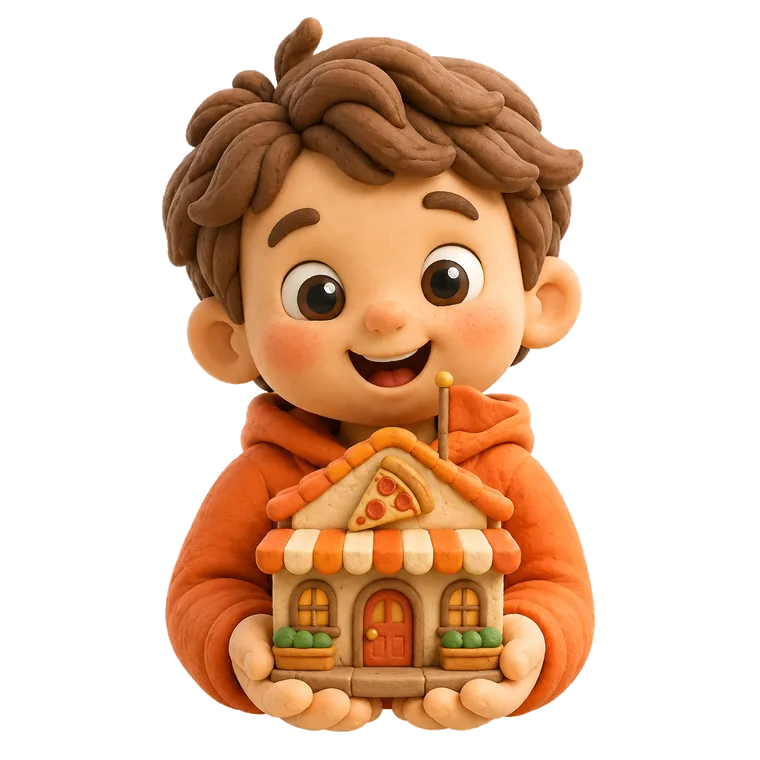
Think of a company like a large pizza. To raise money, the company cuts that pizza into millions of equal slices and sells them to the public. Each slice is a share. Buy a slice and you become a part-owner, a shareholder. You don't get to walk into the office and boss people around, but you genuinely own a tiny fraction of everything the company has and earns.
Here's the part that surprises beginners: companies you already know are owned this way. OGDC (Oil & Gas Development Company) and LUCK (Lucky Cement) on the Pakistan Stock Exchange, and Apple in the US, are all owned by millions of ordinary people holding shares. When you buy one, you join them.
Why do companies sell shares at all?
Companies need money to grow, whether to build a new cement plant, hire engineers, or launch a product. They have two main ways to get it: borrow it (a loan they must repay), or sell ownership by issuing shares.
Selling shares is attractive because the company doesn't have to pay the money back. Instead, the new owners share in the rewards if things go well. The first time a company sells shares to the public is called an IPO (Initial Public Offering), or "going public." After that, those shares trade between investors on a stock exchange like the PSX or the New York Stock Exchange.
Want the full picture of where shares get bought and sold? Read how the stock market works.
What do you actually own when you buy a share?
Owning a share gives you two real things:
- A claim on profits. Many companies pay out part of their earnings to shareholders as a dividend, a cash payment, usually a few times a year. Lucky Cement and OGDC, for example, are known for paying dividends.
- A claim on growth. If the company becomes more valuable, each share becomes worth more. You can sell it later for more than you paid.
You usually also get a tiny voting right, a say in big company decisions, but for small investors this matters less than the two points above.
How does a share make you money? A worked example
Let's make it concrete with simple round numbers (not real prices, just to show the math).
- Suppose OGDC trades at Rs 100 per share.
- You buy 50 shares. That costs you Rs 5,000 (50 x 100).
- A year later the company has grown and the price rises to Rs 130 per share.
- Your 50 shares are now worth Rs 6,500, a gain of Rs 1,500.
- On top of that, say the company paid a Rs 5 per share dividend, which adds another Rs 250 in cash (50 x 5).
So your Rs 5,000 turned into Rs 6,750 in value. That's the two ways shares pay you: price going up plus dividends. Of course, the price can also fall. If OGDC dropped to Rs 80, your 50 shares would be worth only Rs 4,000. That risk is real and normal. Dig deeper into both sides in how you make money from stocks.
What makes a share's price go up and down?
A share's price is simply what buyers and sellers agree on right now. It moves with supply and demand: if more people want to buy LUCK than sell it, the price rises. If more want to sell, it falls.
Underneath that, the price reflects what people expect from the company: its profits, its industry, the economy, and the news of the day. A strong earnings report can lift a stock; a disappointing one can sink it. Studying a company's real financial health to judge whether its price is fair is called fundamental analysis, and it's a core skill for any investor.
Are shares risky? How beginners stay safe
Yes. Any single share can lose value, and a company can even fail. The golden rule for beginners is diversification: don't put all your money in one stock. Spread it across several companies and industries, so one bad pick can't wipe you out. Learn the simple logic in risk and diversification explained.
If your investing must follow Islamic principles, not every share qualifies. Some companies earn from interest or other non-permissible activities. We screen this for you in our guide to halal stocks on the PSX.
Ready to research real companies with clear, beginner-friendly tools? Create a free account on Market Canvas AI and start exploring PSX and US stocks today.
Quick recap
- A stock (share) is a small piece of ownership in a company.
- You make money two ways: the price rising and dividends.
- Prices move on supply, demand, and expectations.
- Single stocks are risky. Diversify to stay safe.
Key takeaways
- A stock (share) is a small piece of ownership in a company. Buy one and you become a part-owner.
- Companies sell shares to raise money for growth without taking on debt. The first public sale is an IPO.
- Shareholders earn money two ways: the share price rising and dividends (cash paid from profits).
- A share's price moves with supply, demand, and expectations about the company's future profits.
- Any single stock can lose value, so beginners spread money across several companies. That's diversification.
Track your halal portfolio free
Screen any PSX or US stock for Sharia compliance, track your portfolio, and get weekly AI picks, free.
Get started freeFrequently asked questions
Is a stock the same as a share?
Almost. 'Stock' is the general term for ownership in a company, and a 'share' is one single unit of that stock. Saying 'I own shares of Apple' and 'I own Apple stock' means the same thing in everyday use.
How much money do I need to buy my first share?
Often very little. A single share can cost from a few rupees to a few thousand, depending on the company. On the PSX you can start with a small amount through a brokerage account, so you don't need to be wealthy to begin.
How do I actually make money from a stock?
Two ways. First, the share price can rise, so you sell it for more than you paid. Second, the company may pay you a dividend, a cash share of its profits. Many investors earn from both over time.
Can I lose all my money in a single stock?
Yes, if that one company performs badly or fails, the shares can fall sharply or become worthless. That's why beginners diversify, spreading money across several companies so one bad result can't wipe out everything.
What is a dividend in simple terms?
A dividend is a cash payment a company gives to its shareholders out of its profits, usually a few times a year. If you own 100 shares and the dividend is Rs 5 per share, you receive Rs 500, just for holding the stock.
Keep learning
What Is Inflation? Inflation in Pakistan Explained | Market Canvas AI
Read guideHow Does the Stock Market Work? (Beginner Guide)
Read guideHow do you make money from stocks?
Read guideRisk and diversification in investing explained
Read guideWhat is fundamental analysis? Beginner's guide
Read guideGet the weekly investing email
New beginner guides plus the Sharia-compliant stocks our AI is watching. One short email a week. Free, and you can unsubscribe anytime.
No spam. Unsubscribe anytime. We never share your email.
Educational only, not financial advice.